
Zambia has ended the hunting of lions and other endangered wild cats due to the declining numbers of these big cats.
Tourism Minister Sylvia Masebo emphasized that wildlife viewing tourism is far more valuable to the country than trophy hunting.
“Tourists come to Zambia to see the lion, and if we lose the lion, we will be destroying our tourism industry,” she stated.
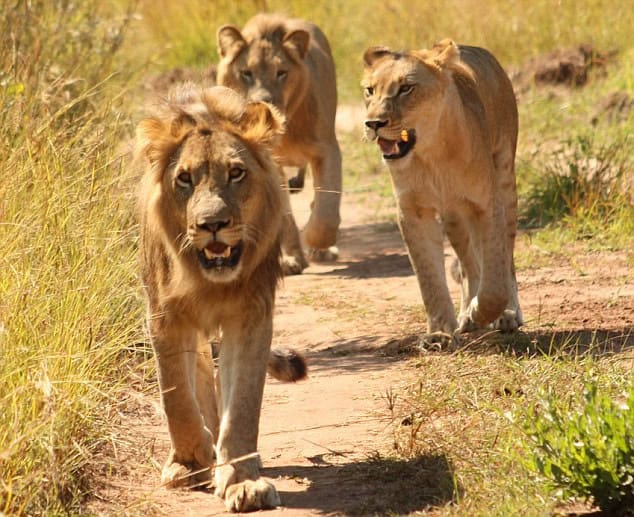
While Zambia used to earn approximately £2 million annually from safari hunting, Masebo argued that the financial gain isn’t worth the continued depletion of the country’s wildlife.
“Why should we lose our animals for £2 million a year? The income we generate from tourist visits is much greater,” she added.
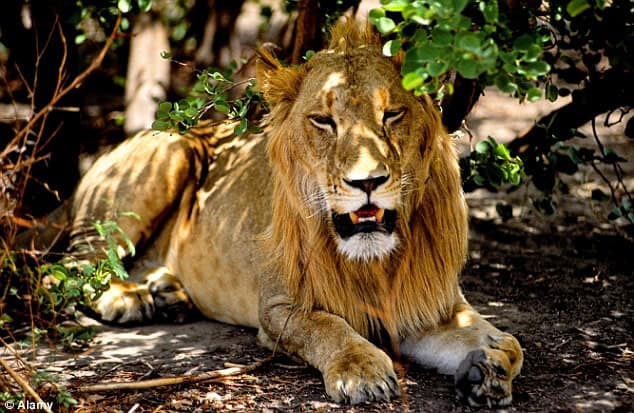
The number of leopards in Zambia is unknown, and estimates suggest fewer than 4,500 lions.
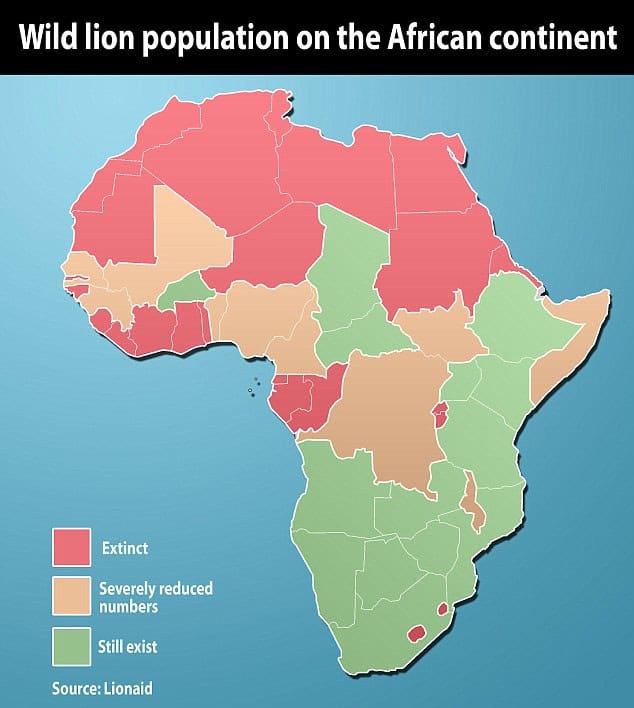
Across Africa, the lion population is thought to be between 20,000 and 30,000, according to the International Union for Conservation of Nature (IUCN).
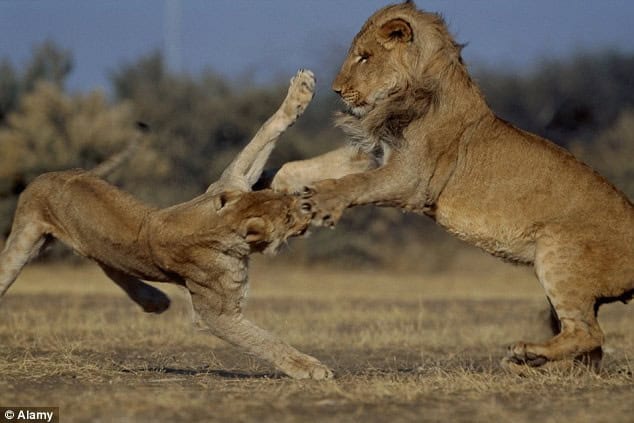
Lion numbers steadily decrease due to threats such as conflict with livestock farmers, loss of prey, and habitat destruction.
Zambia’s decision follows Botswana’s 2014 ban on all sport hunting as part of efforts to position itself as a prime destination for wildlife tourism. Kenya set a similar precedent years ago by halting all trophy and sport hunting.
Lions and leopards are part of the “Big 5” group of African animals often sought by trophy hunters alongside elephants, rhinos, and Cape buffalo. However, Africa’s wildlife faces increasing threats, particularly from poaching.
Elephants are targeted for their ivory, and rhinos are hunted for their horns, driven by high demand in Asian markets.
Read more Wildlife News.


