
The crested ibis, also known as the Japanese crested ibis, is a striking bird native to East Asia that has faced near extinction. With significant conservation efforts in China, Japan, and South Korea, this rare species has started to recover in recent decades.
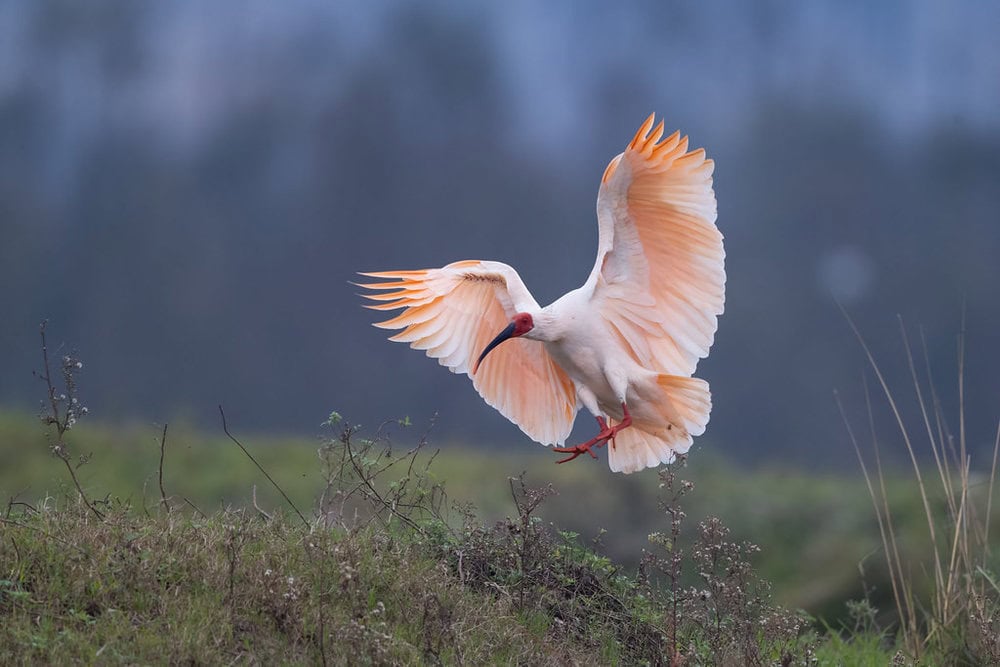
Standing about 75 cm tall and boasting a wingspan of up to 130 cm, the crested ibis is easily recognizable by its mostly white plumage, black-tipped wings, red face, and a distinct wispy crest of feathers on its head.

Historically celebrated in Asian art and literature, the bird’s numbers plummeted in the 20th century due to habitat destruction, hunting, and pesticide exposure.
To counter its decline, conservationists launched a significant recovery program in China during the 1980s, focusing on the last seven known birds through a captive breeding initiative.
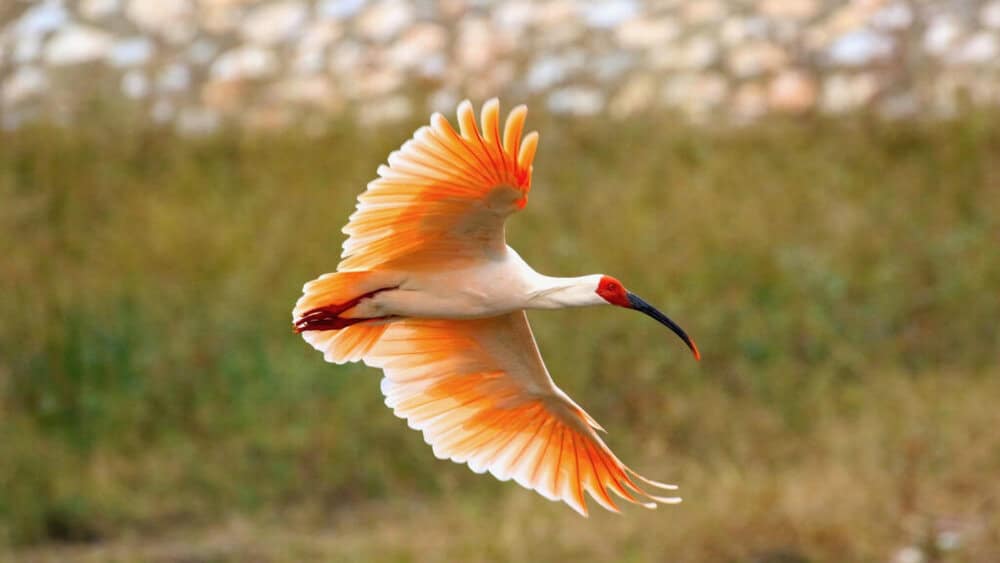
Over time, their efforts paid off, gradually increasing the crested ibis population and enabling the species’ reintroduction into several wild habitats.
Beyond captive breeding, these conservation measures include restoring wetland and forest habitats, removing invasive species, and designating protected areas where the ibis can thrive.
Local communities have also become involved in conservation, receiving education about the species and its environmental significance. Through this community engagement, efforts to save the crested ibis continue to benefit both the species and the surrounding ecosystems.

Read More Birds