
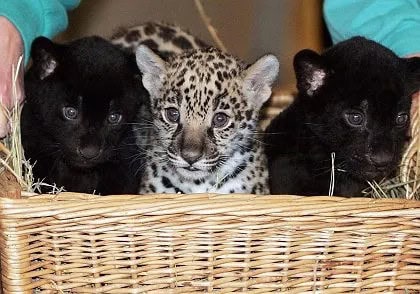
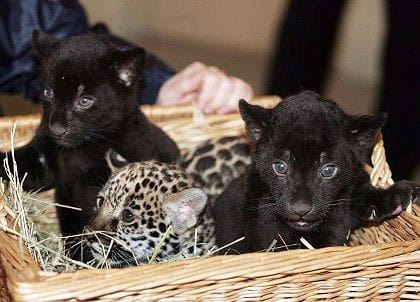
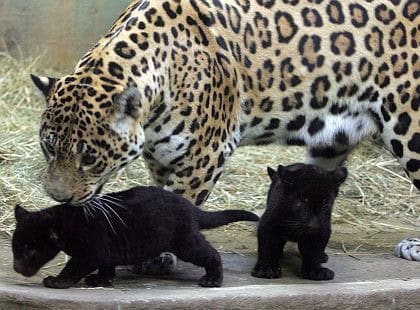
Rostock Zoo is celebrating a rare and exciting event with the arrival of a trio of jaguar cubs. This birth is a notable achievement for the zoo and the ongoing efforts to conserve this majestic species.
Jaguars are renowned for their beauty and elusive behavior, making them one of the most admired big cats.
However, their numbers are dwindling due to habitat destruction, poaching, and human-wildlife conflicts.
Each new birth in captivity significantly boosts its population and creates a moment of hope for the future.
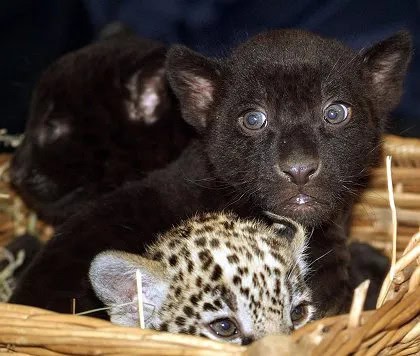
The birth of these three cubs is especially remarkable since jaguar births in captivity are uncommon, and a litter of three is even rarer.
The cubs’ mother, Luna, diligently cares for her young, ensuring their well-being during their early development.
The team at Rostock Zoo is thrilled with this new addition and is closely monitoring the cubs’ growth.
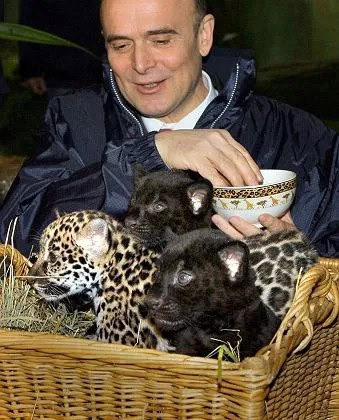
These cubs are not just new zoo residents; they are also symbols of hope and play a vital role in raising awareness about the conservation of their species.
Zoo visitors eagerly await the chance to see the cubs, whose playful behavior and curiosity are expected to charm everyone.
The zoo plans to use this opportunity to educate the public on the importance of jaguar conservation and habitat protection through various programs and exhibits.
This birth highlights the dedication of zoos worldwide to conservation efforts. By participating in breeding programs and promoting awareness, these institutions help ensure the survival of endangered species for future generations.
As the cubs grow under the care of their dedicated keepers, they remind us of the beauty and significance of wildlife conservation.
Their presence brings optimism and underscores the importance of protecting our planet’s diverse ecosystems.
In challenging times, the arrival of these jaguar cubs offers a beacon of hope, illustrating the resilience of life and the impact of dedicated conservation work.
This event encourages us to continue our efforts to preserve these magnificent creatures for future generations to enjoy.
Read more Wildlife News.


