
The Blue-breasted Cordon-bleu, known scientifically as Uraeginthus angolensis, is a small, eye-catching bird admired by birdwatchers and nature enthusiasts.
This species stands out for its striking appearance in various parts of Sub-Saharan Africa, including Angola, Botswana, Namibia, Zambia, and Zimbabwe.
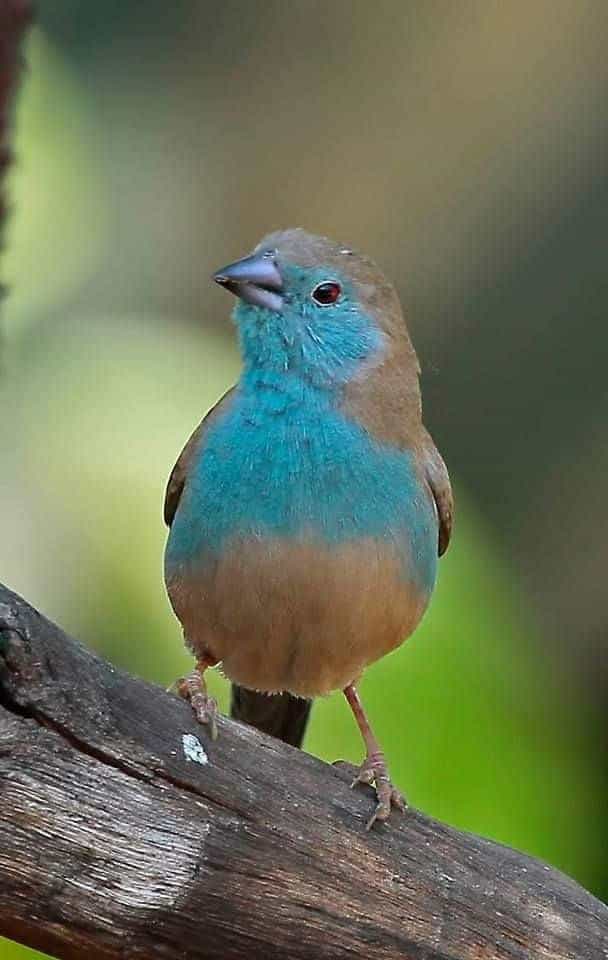
Male Blue-breasted Cordon-bleus have distinctive blue plumage covering their upper body and chest, accented by a red patch on the forehead.
This vibrant blue contrasts with a black face and tail, giving the bird an elegant look. With their slender bodies and conical bills, these birds possess a charm that makes them unforgettable.

These birds thrive in savanna and grassland areas, where they have adapted to a varied diet of seeds and insects. Known for their musical vocalizations, they add a melodic touch to their environment through various songs and calls.
During the breeding season, male Blue-breasted Cordon-bleus engage in intricate courtship displays, performing acrobatic flights and fluttering their wings to capture the attention of potential mates.
Once paired, they build nests in shrubs or other sheltered spots, weaving plant fibers and other materials. The female typically lays four to six eggs, which she incubates for around two weeks.

Although Blue-breasted Cordon-bleus are popular as cage birds worldwide, they face challenges in the wild due to human impact. Habitat loss from agricultural expansion and urbanization threatens their populations.
Conservation efforts, such as creating protected areas and promoting sustainable land-use practices, are essential to help protect their natural habitats.
The Blue-breasted Cordon-bleu is a striking example of Africa’s rich avian diversity. With its vibrant colors, musical songs, and unique behaviors, this bird leaves a lasting impression on all who see it.
By supporting conservation, we help preserve the remarkable natural beauty of Sub-Saharan Africa and protect its treasured wildlife.

Read More Birds