
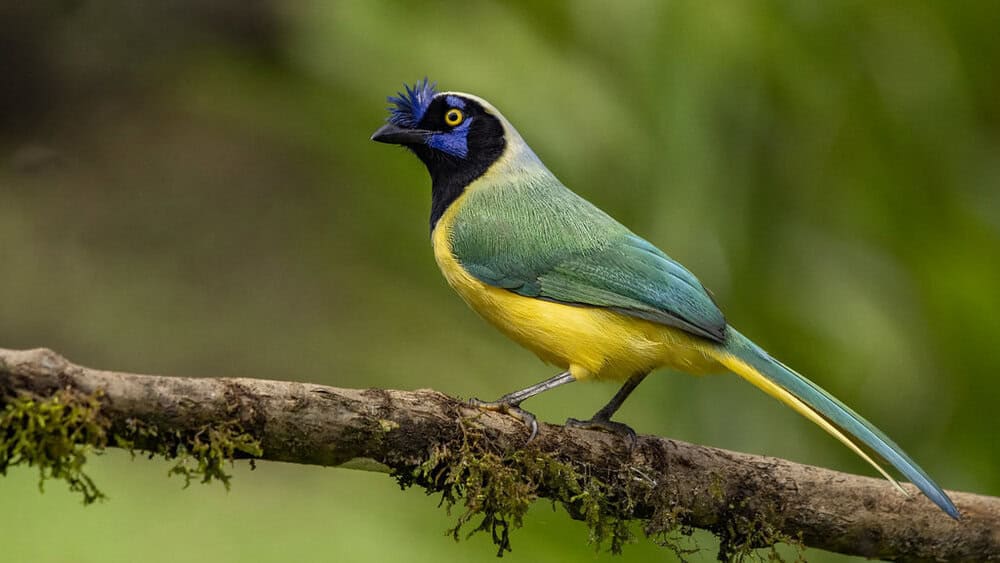
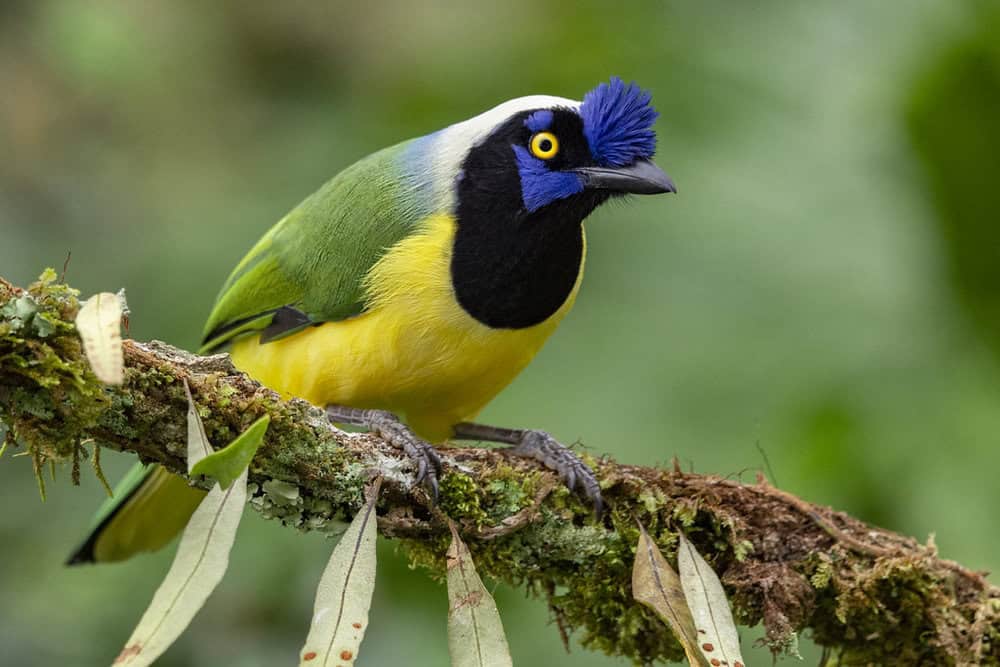
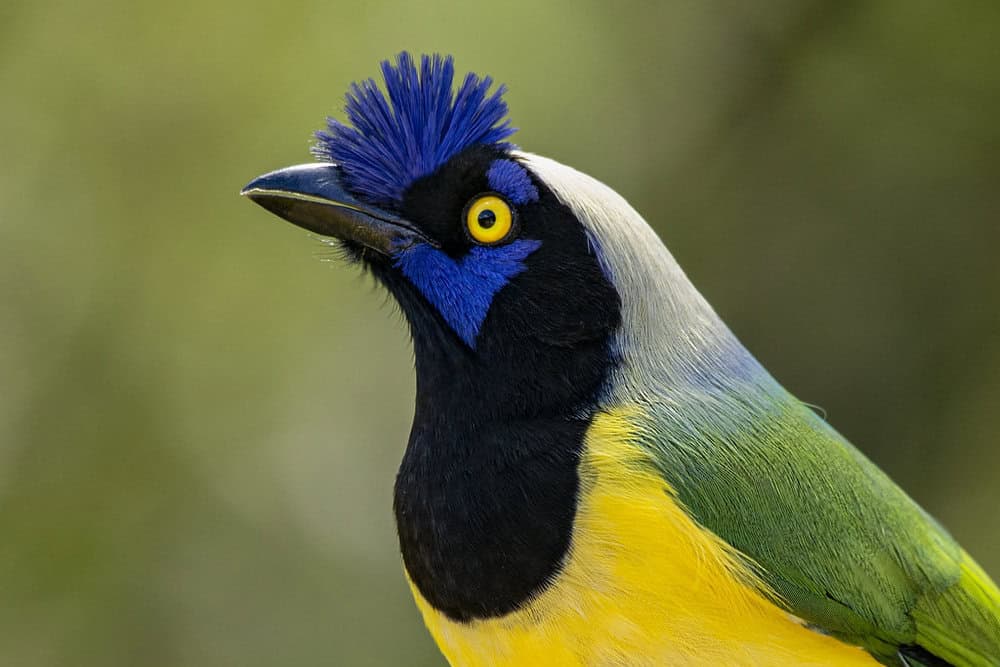
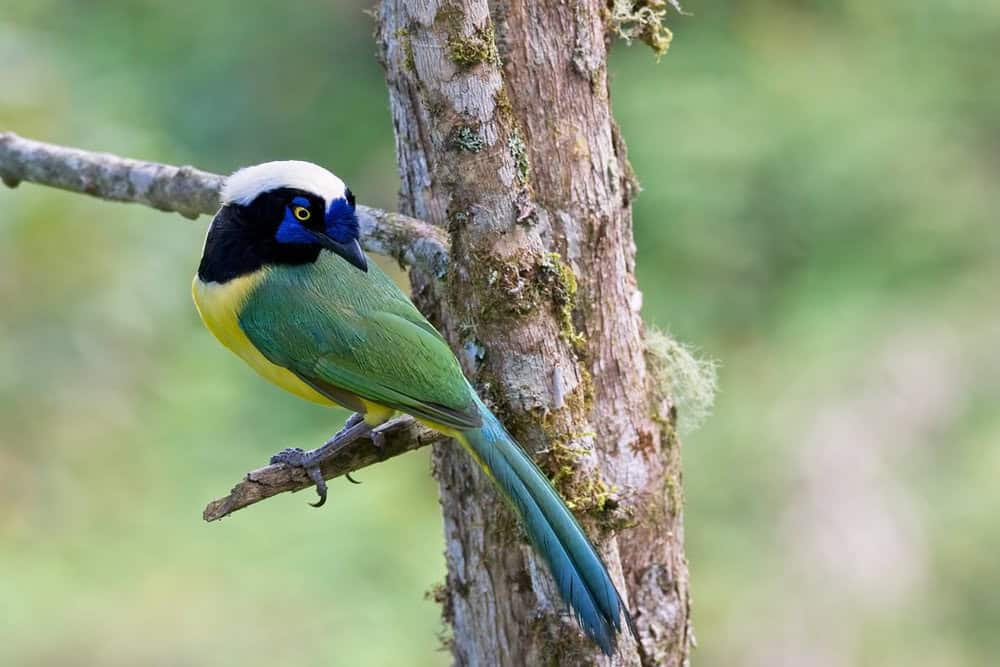
High in the Andean mountains of South America, the Inca Jay stands out with its vibrant blue plumage and striking black mask, drawing the attention of bird enthusiasts.
Known scientifically as Cyanocorax yncas, this bird belongs to the Corvidae family, including crows, and is recognized for its striking appearance and intelligence.
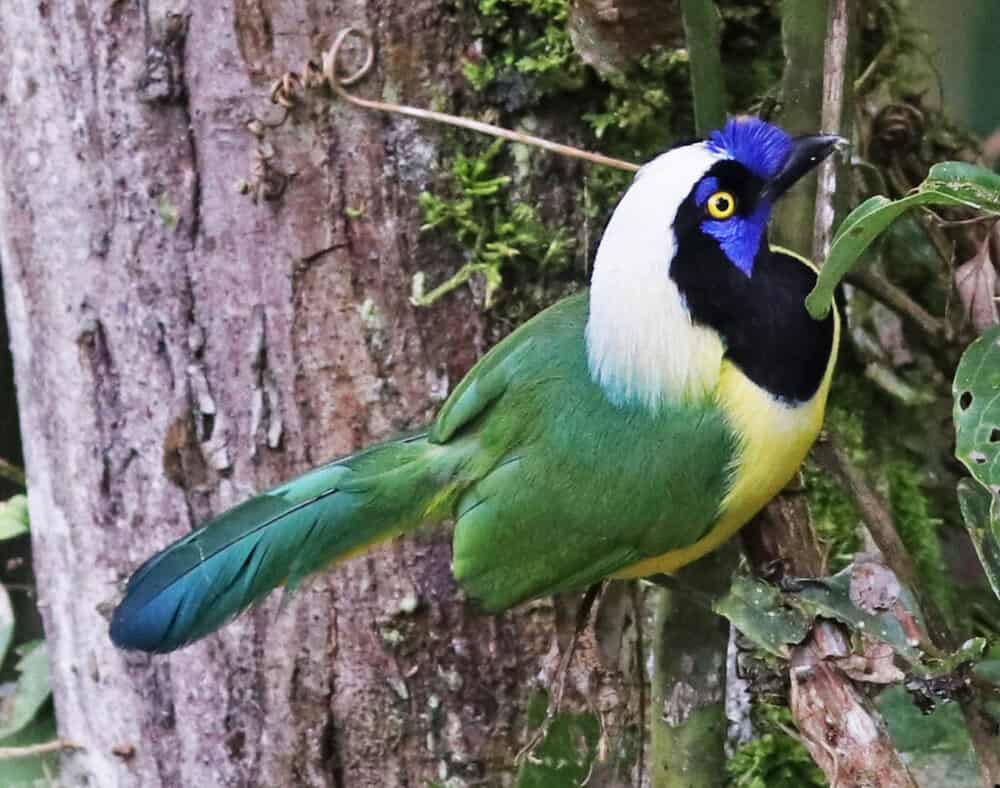
Inca Jays are highly social and known for their complex communication skills, using a variety of calls and songs to interact with each other. These versatile birds can be found in diverse environments, ranging from dense forests to open plains, though they tend to favor areas near forest edges.
Their diet consists of insects, seeds, fruits, and sometimes scavenged food when resources are limited. One of the most fascinating traits of the Inca Jay is its habit of caching food—storing it in hidden places like tree crevices or under rocks. This behavior helps them prepare when food is scarce, showcasing their adaptability and resourcefulness.
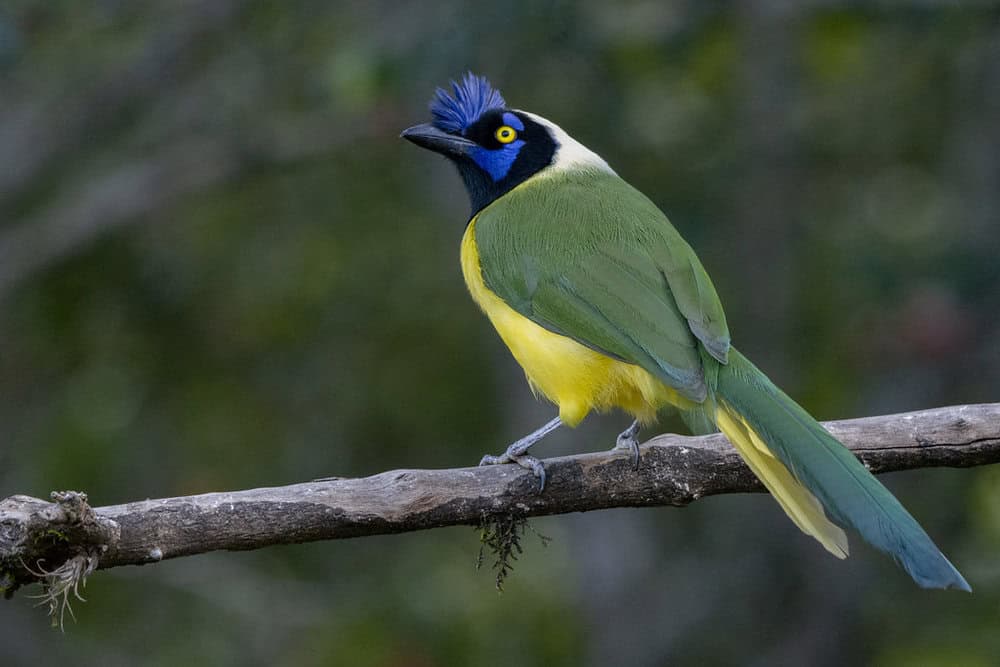
Although the Inca Jay is currently classified as a species of “least concern,” meaning it is not endangered, the loss of its habitat due to deforestation and other human activities poses a potential risk to its future. Protecting the natural environment of these birds is crucial to ensure they continue to thrive.
Admired for their beauty and intelligence, the Inca Jay remains a favorite among bird lovers. While they are not facing immediate danger, conservation efforts are still needed to safeguard their habitats and preserve these remarkable birds for future generations.
Observing an Inca Jay in the wild is truly a memorable experience, offering a glimpse into this unique species’s fascinating behavior and vibrant charm.
Read More Birds
