
Leopards, known for their stunning coat patterns and elusive behavior, have long intrigued wildlife enthusiasts and researchers.
These majestic animals, part of the Panthera genus, are celebrated for their adaptability, strength, and remarkable beauty.
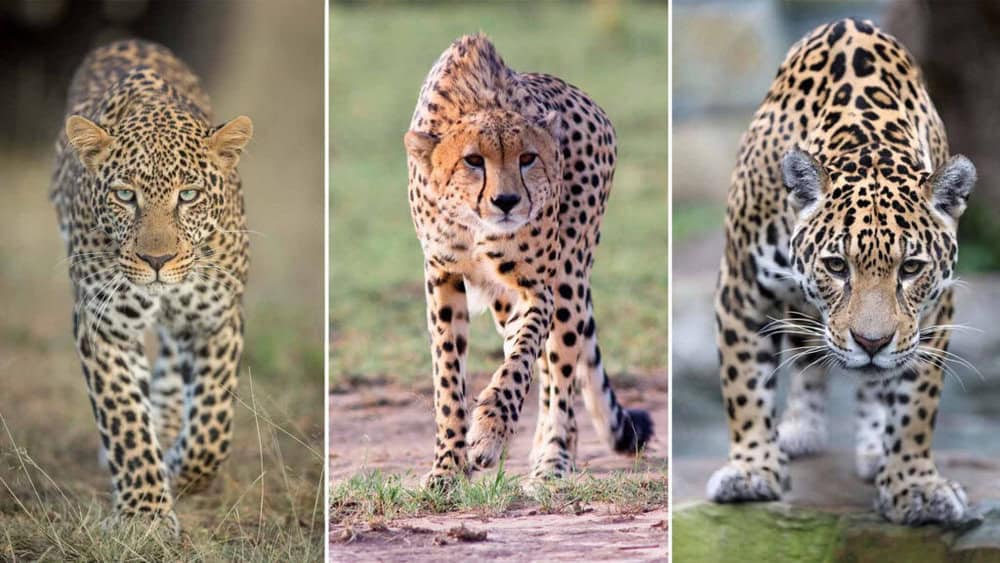
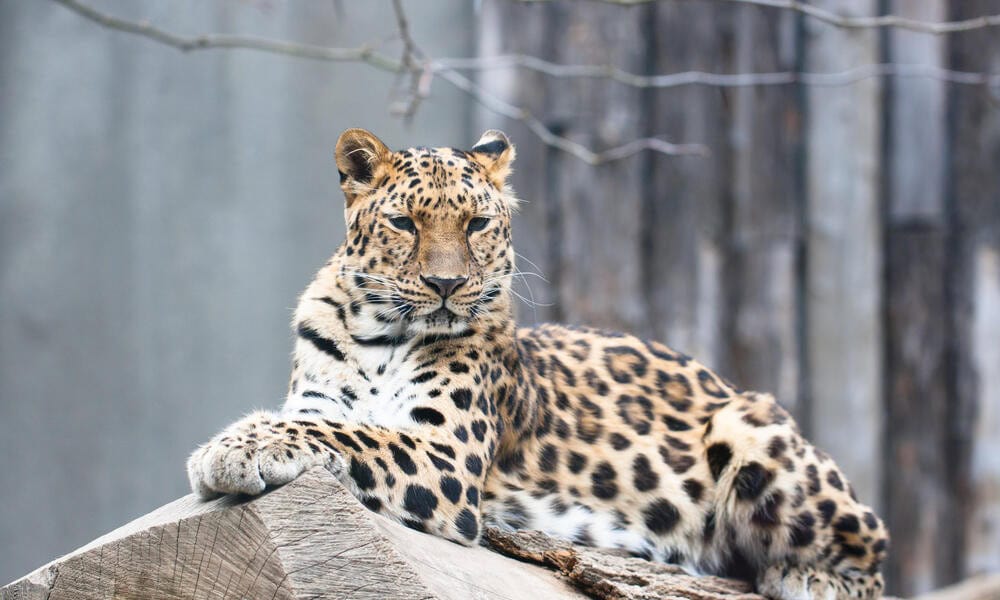
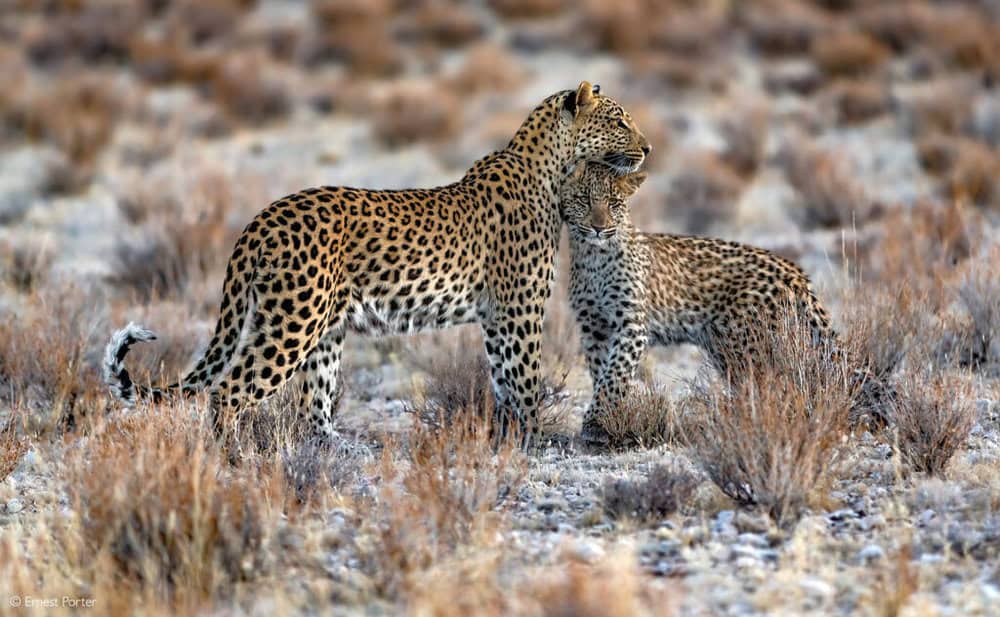
Leopards are distinguished by their striking coats, featuring unique rosettes that offer camouflage and individual identification. Their fur can vary from golden yellow to deep russet, depending on their environment.
This adaptability allows them to thrive in various habitats, from Asia’s dense forests to Africa’s expansive savannas.
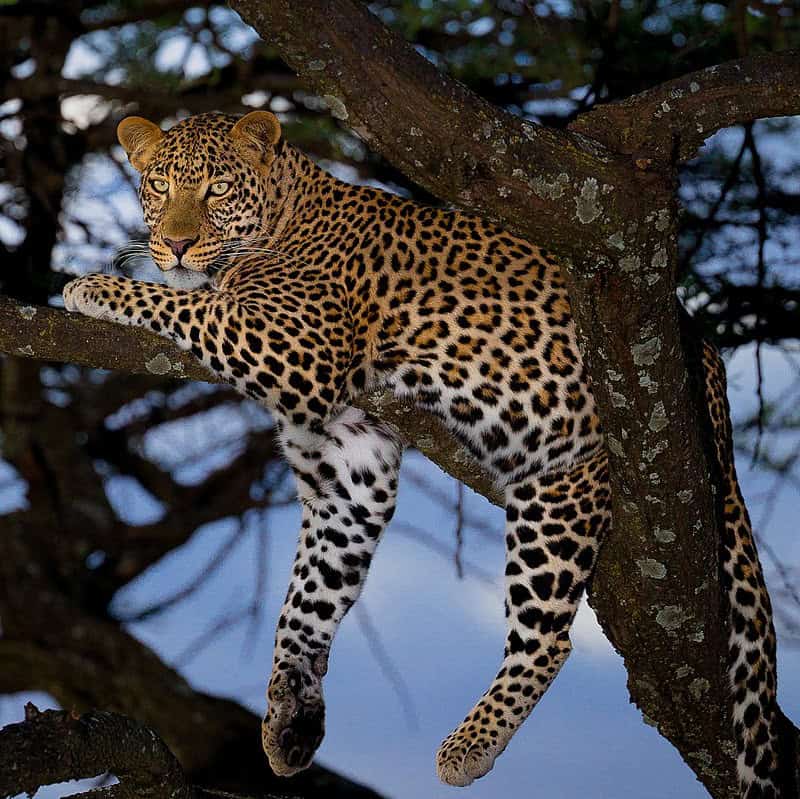
Physically, leopards are powerful and agile, making them exceptional hunters. Their sharp senses, strong claws, and robust jaws enable them to be effective solitary predators.
One of their most notable behaviors is their ability to hoist prey larger than themselves into trees, a skill that distinguishes them from other big cats.
Leopards have a broad geographic range, occupying various ecosystems from the Indian subcontinent to sub-Saharan Africa.
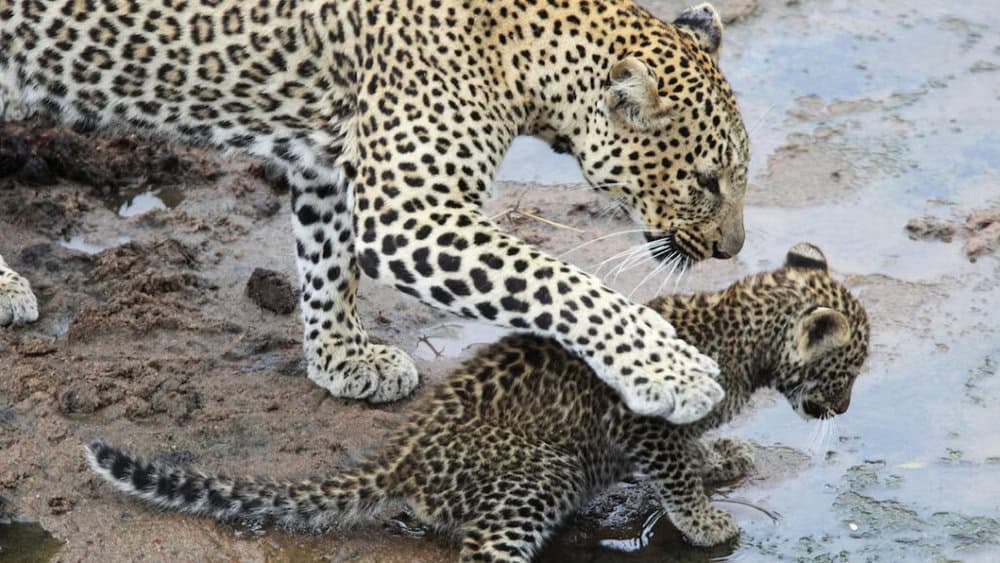
Their adaptability allows them to inhabit diverse landscapes, including rainforests, grasslands, and deserts. This flexibility has helped them survive despite human-induced environmental changes.
Yet, leopards are not immune to the threats posed by habitat loss and fragmentation. As human populations grow, conflicts with people have increased, often leading to incidents involving livestock predation and retaliatory killings.
To address these issues, conservation efforts are vital for reducing conflicts and protecting leopard populations.
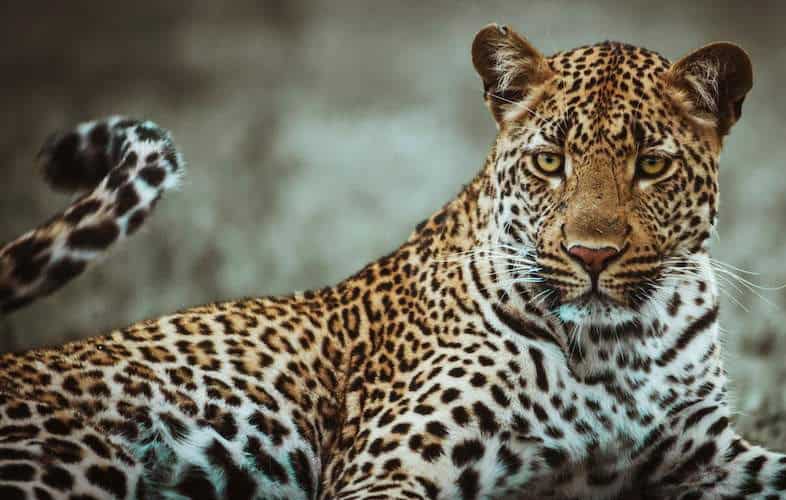
Despite their extensive range, leopards face several threats. Habitat destruction, illegal wildlife trade, and poaching for their pelts and other body parts are significant dangers. Climate change further complicates their survival by impacting prey availability and altering their habitats.
Efforts to conserve leopards are crucial for their future. Protected areas, anti-poaching initiatives, and community-based conservation programs all play a role in preserving these enigmatic animals.
Raising awareness about living in harmony with leopards is essential for maintaining a sustainable balance.
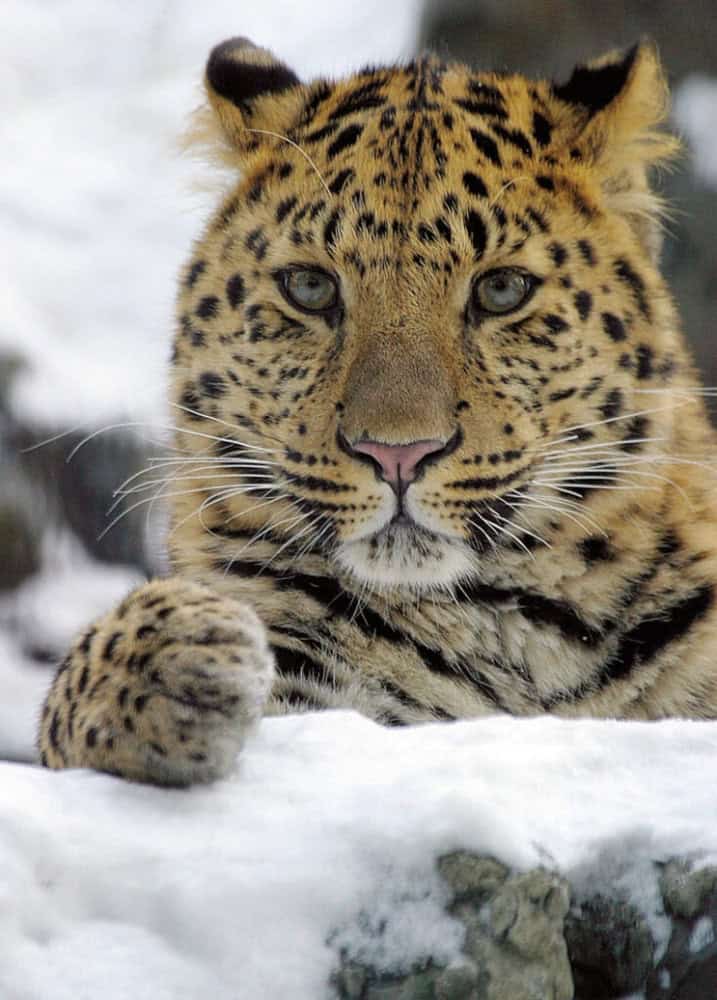
With their enigmatic presence and ecological importance, Leopards represent the wild’s untamed beauty.
As we confront modern environmental challenges, it is vital to continue our efforts in research, conservation, and education to ensure that future generations can appreciate the grace and resilience of these remarkable big cats.
Read more Wildlife News.